

Papaver laciniatum
‘Hungarian Blue’
HUNGARIAN BLUE FEATHER POPPIES
Syn. P. somniferum var. laciniatum
No Tas
$5.50 AUD
Availability: In stock
- 1-9 pkts $5.00
- 10 pkts FREE
- Express post $12
Papaver laciniatum ‘Hungarian Blue’
HUNGARIAN BLUE FEATHER POPPIES
Syn. P. somniferum var. laciniatum.
Papaver laciniatum ‘Hungarian Blue’ is as close to blue as Giant Poppies can get.
Not permitted for entry to Tasmania
As close to blue as Giant Poppies can get
‘Hungarian Blue’ flowers are large bowls of silken petals, of the most enchanting violet-blue.
All with a showy black blotch in the centre – spectacular colour.
They are tall and stately, with very large flowers.
Breathtakingly lovely show in summer
So it is breathtakingly lovely when they bloom in spring-early summer.
The rich violet-blue bowls of flowers show strikingly well against silvery-blue-grey foliage too.
And the silken petals flutter in the breeze.
Reliable treats each year
Papaver laciniatum ‘Hungarian Blue’ are very reliable self-seeding annuals.
So you can look forward to them as a stunning show every year.
Although they are members of the Opium Poppy family, they possess very low levels of opioid compounds, and are purely decorative, rather than farmed for medicinal poppies.
They are not illegal to grow in the garden.
Wonderfully rewarding for no work
‘Hungarian Blue’ Poppies are wonderfully rewarding and spectacular plants, for no work at all.
So the only labour is to pull out the spent flower stalks after the blooming season.
Reliable self-seeders
But if you would like more gorgeous ‘Hungarian Blue’ for next year – just leave a few fat seed pods to dry on the stalks, and they will happily scatter their progeny for next season.
Or you can cut some seed pods as they open, and pop them into a brown paper bag to drop their seeds. And then you can scatter the seed in new places, or share with friends.
Some low tech gardeners even just pull out the spent stalks with pods intact, and lay them on the ground as a mulch, wherever they want ‘Hungarian Blue’ flowers next year.
Treats for florists
Both the fresh flowers and the dried seed pods make super cut flowers for florist’s vases.
Water-wise & heat tolerant
Plant Papaver laciniatum ‘Hungarian Blue’ in Full Sun.
Poppies are very water-wise, and well adapted to happily return each year in places with hot and dry summers.
After all they probably originated from eastern Mediterranean areas such as Turkey, and northern Africa, but have happily adapted to many areas – wherever the summers are hot and dry.
Rabbits & deer leave them alone
Rabbits and deer do not like the bitter taste of Hungarian Blue Poppies, and seem to know they are not good to eat.
Satisfyingly Quick & Easy from seed
Plants of Papaver laciniatum ‘Hungarian Blue’ are very satisfyingly quick and easy to grow from seed.
And they are perfect candidates for just scattering seeds in the garden where you want them to grow.
Tip for raising maximum number of poppies
However if you don’t like sharing with the scratching birds and marauding mice.
Then start the seeds indoors, for early flowers and highest rate of germination (and not sharing). And make sure you sow the seeds in small but deeper pots / cell trays, rather than a punnet.
And just place a very small scatter of seeds in each pot – because Poppies grow long tap roots and resent being disturbed when transplanting.
So sow your seeds sparingly into individual little deep pots / cells, and then plant the seedlings out in the garden by the whole pot full rather than disturbing and trying to separate them (don’t worry they germinate in lush abundance).
Hardy reliable self sowing annual
70cm High with large flower bowls x 30cm Wide of silver-blue-grey foliage.
SEED SOWING ADVICE: QUICK & EASY
Suits beginners & gardening with kids
Sow Papaver laciniatum ‘Hungarian Blue’ seeds at any time in little pots or tube trays indoors, whenever suitable temperatures can be provided (16-22°C)
OR
Sow directly in the garden in autumn or spring.
Sowing Tip 1. for Poppies: Papaver seed is very fine. So finely sieve some seed raising mix into the bag containing your seed. Then shake around and sow the whole contents of the bag. This will pick up and separate the fine seed and help to sow it thinly.
Sowing Tip 2. for Poppies: Because the seedlings resent being transplanted, it is best to use deeper tube pots or jiffy pots, and scatter a tiny pinch of seed into each.
Then you can plant each pot with its little flock of Poppies straight into the garden by the pot full, without disturbing them by pricking them out and separating.
Sowing Tip 3. for Poppies: Papaver paeoniflorum seeds germinate better by experiencing the temperature fluctuations of night and day.
So best not to use a heat mat (or turn it off at night).
Daytime temperatures of 16-22°C are optimum for rapid germination, and cooler at night.
Sow indoors for quick & early plants: First sow the fine seed thinly onto the surface of good quality seed raising mix.
Then press the seeds gently into surface to ensure good contact, but do not cover with mix.
As these seeds need light to germinate.
Now thoroughly moisten the mix by standing the pots in a shallow water bath and allowing the moisture to percolate up to the surface of the mix from below.
Then place your pots in a well-lit, warm position to germinate (NOT in any direct sun – as this will dry the seeds out and prevent germination).
These seeds are easy to germinate, so a warm, well lit corner or window sill is fine.
Daytime temperatures of 16-22°C are optimum for rapid germination, with cooler at night.
Keep the pots consistently moist by regularly misting with a spray water bottle.
Covering the pots with a clear plastic cover or plastic bag will also help to maintain consistent moisture between mistings.
(Remove cover as soon as sprouts begin to shwo)
Seed usually germinates in 7-21 days approx.
Seed Count: 50 seeds per pack approx.
(We always aim to exceed the stated seed count, and give a generous serve).
Click here for Nursery Open Days & Open Gardens Information
https://www.gardivalia.com.au/open-gardens
Click here to go back to Seeds Shop
https://www.seedscape.net.au/shop/
Related products
-
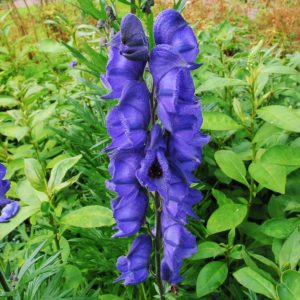 Add to WishlistAlready In WishlistAdd to Wishlist
-
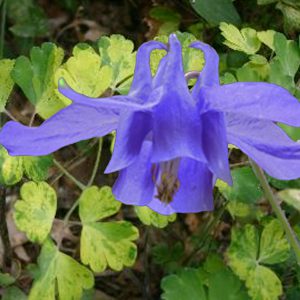 Add to WishlistAlready In WishlistAdd to Wishlist
-
 Add to WishlistAlready In WishlistAdd to Wishlist
-
 All
Eryngium giganteum
‘Miss Willmott’s Ghost’
MISS WILLMOTT’S GHOST SEA HOLLY
$5.50 AUD Add to cartAdd to WishlistAlready In WishlistAdd to Wishlist